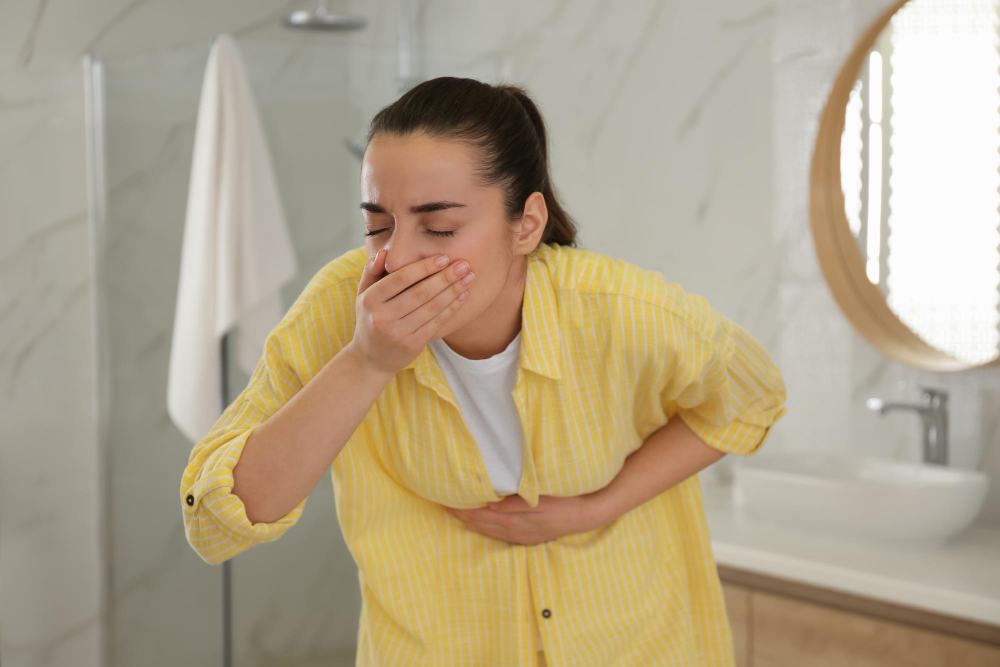
What is Food Poisoning?
Food poisoning is an illness caused by eating contaminated food. It can happen to anyone, anywhere. Often, bacteria, viruses, or parasites in food cause this condition. Sometimes, toxins or chemicals in food can also lead to food poisoning. According to the CDC, millions of people in the USA get food poisoning each year. Most cases are mild, but some can be serious. Because food poisoning can affect anyone, it is important to know the signs and how to prevent it.
Common Symptoms of Food Poisoning
Usually, symptoms appear within hours after eating bad food. However, sometimes they may take days to show up. Common food poisoning symptoms include:
- Nausea or feeling sick to your stomach
- Vomiting
- Diarrhea, which may be watery or bloody
- Stomach cramps or pain
- Fever
- Headache
- Muscle aches
- Feeling tired or weak
In most cases, symptoms last a few hours to a few days. But, if symptoms are severe or last longer, you should seek medical help.
Causes and Risk Factors
Food poisoning happens when you eat food or drink water that contains germs or harmful substances. The most common causes are:
- Bacteria, such as Salmonella, E. coli, and Listeria
- Viruses, like norovirus or hepatitis A
- Parasites, such as Giardia
- Toxins or chemicals in food
Some foods are more likely to cause food poisoning. For example, raw or undercooked meat, eggs, seafood, and unpasteurized milk can be risky. In addition, people with weak immune systems, young children, pregnant women, and older adults have a higher risk of getting sick.
How Food Poisoning is Diagnosed
Doctors usually diagnose food poisoning based on your symptoms and what you have eaten. Sometimes, they may ask about recent travel or if others around you are sick. In some cases, your doctor may order tests, such as:
- Stool (poop) tests to find the cause
- Blood tests if you are very sick
- Tests on leftover food, if available
Often, no tests are needed if your symptoms are mild and improve quickly. However, if you have severe symptoms, testing can help find the best treatment.
Treatment Options
Most people recover from food poisoning at home without special treatment. However, it is important to:
- Drink plenty of fluids to prevent dehydration
- Rest as much as possible
- Eat bland foods like toast, rice, or bananas when you feel better
Sometimes, you may need medicine to stop nausea or diarrhea. But, antibiotics are only used for certain types of bacteria. If you cannot keep fluids down or have signs of dehydration, you may need to see a doctor. In rare cases, hospital care is needed.
Prevention Tips
Thankfully, you can lower your risk of food poisoning by following safe food practices. Here are some tips for preventing food poisoning at home:
- Wash your hands before and after handling food
- Cook meat, poultry, and seafood to the right temperature
- Keep raw and cooked foods separate
- Refrigerate leftovers within two hours
- Wash fruits and vegetables before eating
- Avoid unpasteurized milk and juices
- Check expiration dates on food packages
In addition, when traveling, drink safe water and avoid street food if you are unsure about its safety. These steps can help protect you and your family.
When to See a Doctor
Most cases of food poisoning get better on their own. However, you should see a doctor if you:
- Have a high fever (over 102°F or 39°C)
- Cannot keep liquids down
- Have bloody diarrhea
- Show signs of dehydration, like dry mouth or little urination
- Feel very weak or confused
Also, young children, pregnant women, older adults, and people with health problems should get medical help sooner. Early care can prevent serious problems.
If you suspect food poisoning, consult a healthcare professional at KPS Medicare Multi-Speciality Hospital for personalized advice.