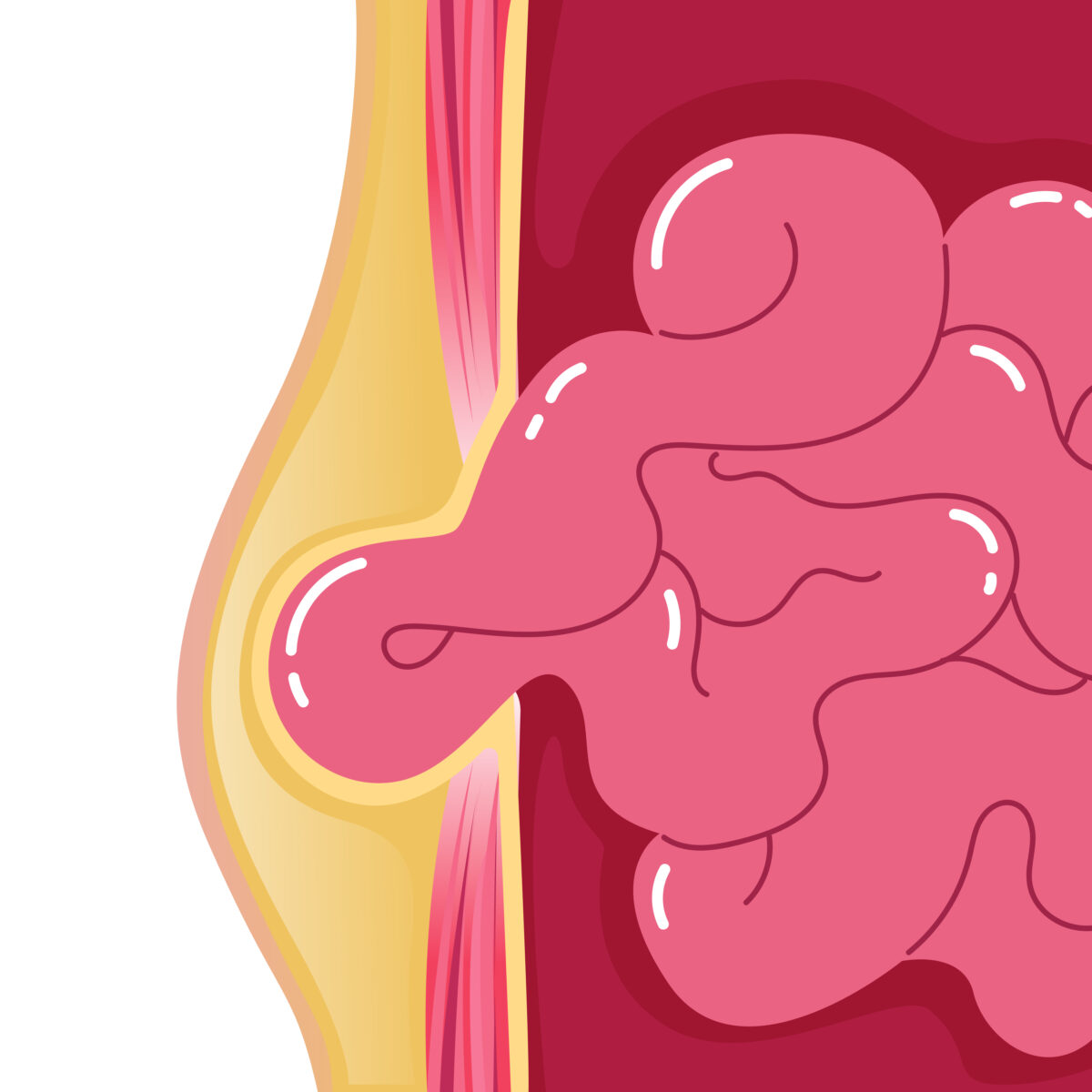
What Is a Hernia?
Hernia awareness is important for everyone. A hernia happens when an organ or tissue pushes through a weak spot in the muscle or tissue wall. Most often, hernias appear in the belly or groin. However, they can also occur in other areas. Hernias can affect people of all ages. While some hernias are not dangerous, others may need quick medical care. Knowing the signs and risks can help you stay healthy.
Common Symptoms of Hernia
Many people want to know about hernia symptoms. Early signs can be mild, but they may get worse over time. For example, you might notice:
- A bulge or lump in the belly or groin
- Pain or discomfort, especially when bending or lifting
- Heaviness or pressure in the affected area
- Swelling that gets bigger when you cough or strain
- Sometimes, nausea or vomiting if the hernia is severe
But, not all hernias cause pain. Sometimes, you may only see a bulge. If you notice any of these signs, it is wise to talk to a doctor.
Causes and Risk Factors
There are many hernia causes. Most hernias happen when muscle or tissue becomes weak. As a result, organs can push through. Common risk factors include:
- Heavy lifting or straining
- Chronic cough or sneezing
- Obesity or being overweight
- Pregnancy
- Constipation, which causes straining during bowel movements
- Family history of hernias
- Previous surgery in the area
Additionally, men are more likely to get certain types of hernias. But women and children can also be affected.
Diagnosis Methods
Many people ask how to diagnose a hernia. Doctors use several methods to find out if you have a hernia. First, your doctor will ask about your symptoms and medical history. Next, they will do a physical exam. During the exam, the doctor may ask you to stand, cough, or strain. This helps them see or feel the hernia. In some cases, your doctor may order tests such as:
- Ultrasound
- CT scan
- MRI scan
These tests give a clear picture of the hernia and help plan treatment. Early diagnosis is key to preventing problems.
Treatment Options
Hernia treatment depends on the type and size of the hernia. Sometimes, small hernias that do not cause symptoms may only need monitoring. However, many hernias require surgery to fix the weak spot. Surgery can be done in two main ways:
- Open surgery, where the doctor makes a cut to repair the hernia
- Laparoscopic surgery, which uses small cuts and a camera for a quicker recovery
Your doctor will help you choose the best option. In most cases, surgery is safe and effective.
Prevention Tips and Lifestyle Guidance
There are several hernia prevention tips you can follow. While not all hernias can be prevented, you can lower your risk by:
- Maintaining a healthy weight
- Eating a high-fiber diet to avoid constipation
- Using proper lifting techniques
- Quitting smoking to reduce coughing
- Staying active with regular exercise
Furthermore, if you have a chronic cough or allergies, treat them early. This can help prevent strain on your muscles.
When to See a Doctor
It is important to know when to seek help. See a doctor if you notice:
- A new lump or bulge in your belly or groin
- Pain that gets worse
- Redness, swelling, or fever
- Nausea or vomiting with a hernia
Sometimes, a hernia can become trapped or blocked. This is an emergency and needs quick treatment. Do not wait if you have severe pain or cannot push the bulge back in.
Conclusion
In summary, hernia awareness can help you spot symptoms early and lower your risk. If you notice symptoms of a hernia, consult a specialist at KPS Medicare multi specialty hospital for personalized guidance. Early care can prevent serious problems and keep you healthy.