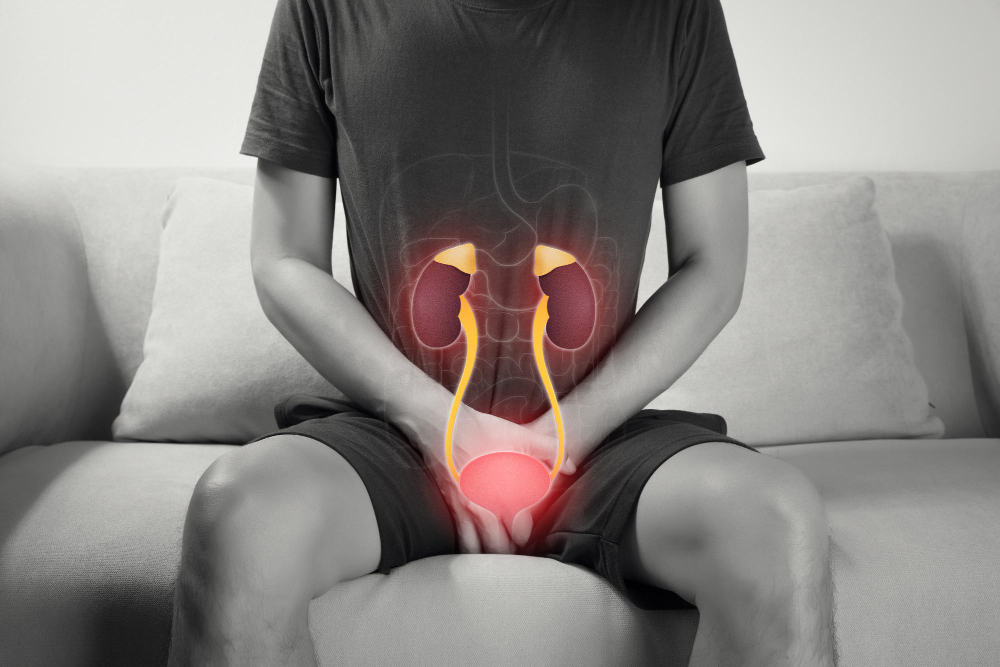
What Is Overactive Bladder?
Overactive bladder is a common condition that causes a sudden urge to urinate. Often, this urge is hard to control. Many people with overactive bladder may leak urine or need to use the bathroom often. Because this can affect daily life, finding the right overactive bladder treatments is important. According to the CDC, millions of adults experience this problem. But, with the right care, you can regain bladder control and improve daily confidence with OAB.
Common Symptoms
Overactive bladder symptoms can be mild or severe. However, they often include:
- Sudden, strong urge to urinate
- Needing to urinate more than eight times a day
- Waking up at night to urinate (nocturia)
- Accidental urine leakage (urge incontinence)
Sometimes, these symptoms can disrupt work, sleep, or social activities. But, early treatment can help manage bladder urgency.
Causes and Risk Factors
Many factors can lead to overactive bladder. For example, weak bladder muscles or nerve problems may play a role. In addition, certain health issues can increase your risk. Common causes and risk factors include:
- Aging
- Diabetes
- Urinary tract infections
- Obesity
- Enlarged prostate in men
- Neurological conditions, such as stroke or Parkinson’s disease
Sometimes, drinking too much caffeine or alcohol can make symptoms worse. Therefore, knowing your risk can help you take steps to prevent or manage OAB.
Diagnosis and When to See a Doctor
If you notice sudden urges to urinate or leaks, it is important to talk to your doctor. Early diagnosis can help you find the best overactive bladder treatments. Your doctor may:
- Ask about your symptoms and medical history
- Perform a physical exam
- Order urine tests to check for infection
- Ask you to keep a bladder diary
Sometimes, more tests are needed to rule out other problems. But, most people can get answers quickly and start treatment soon.
Effective Treatments
There are many ways to manage overactive bladder. Because each person is different, your doctor will help you choose the best option. Common overactive bladder treatments include:
Medications
- Prescription drugs can relax the bladder muscles.
- Some medicines reduce the urge to urinate.
- Side effects may include dry mouth or constipation.
Behavioral Therapies
- Bladder training helps you wait longer between bathroom trips.
- Pelvic floor exercises (Kegels) strengthen the muscles that control urination.
- Scheduled toilet trips can help reduce accidents.
Lifestyle Changes
- Limiting caffeine and alcohol can ease symptoms.
- Staying at a healthy weight reduces pressure on the bladder.
- Drinking fluids earlier in the day can help you sleep better at night.
Advanced Options
- For severe cases, nerve stimulation or Botox injections may help.
- Surgery is rare but may be needed if other treatments do not work.
With the right plan, you can regain bladder control and improve daily confidence with OAB.
Tips for Regaining Confidence in Daily Life
Living with overactive bladder can be stressful. However, simple steps can help you feel more in control. Try these tips:
- Wear absorbent pads or protective underwear if needed
- Plan bathroom breaks before leaving home
- Carry extra clothes or supplies for peace of mind
- Use restroom locator apps when traveling
- Talk openly with family and friends for support
With practice, these habits can help you manage bladder urgency and regain daily confidence.
Prevention and Self-Care
Although not all cases can be prevented, healthy habits may lower your risk. For example:
- Stay active and maintain a healthy weight
- Limit caffeine, alcohol, and spicy foods
- Drink enough water, but avoid drinking large amounts at once
- Practice pelvic floor exercises regularly
- Manage chronic health conditions, such as diabetes
Because prevention is easier than treatment, these steps can help protect your bladder health.
When to Seek Specialist Help
If your symptoms do not improve with basic care, it is time to see a urology specialist. Also, seek help if you have pain, blood in your urine, or sudden changes in bladder habits. Early treatment can prevent problems and help you regain bladder control.
Consult a urology specialist at
KPS Medicare Multispecialty Hospital for personalized advice and treatment options.