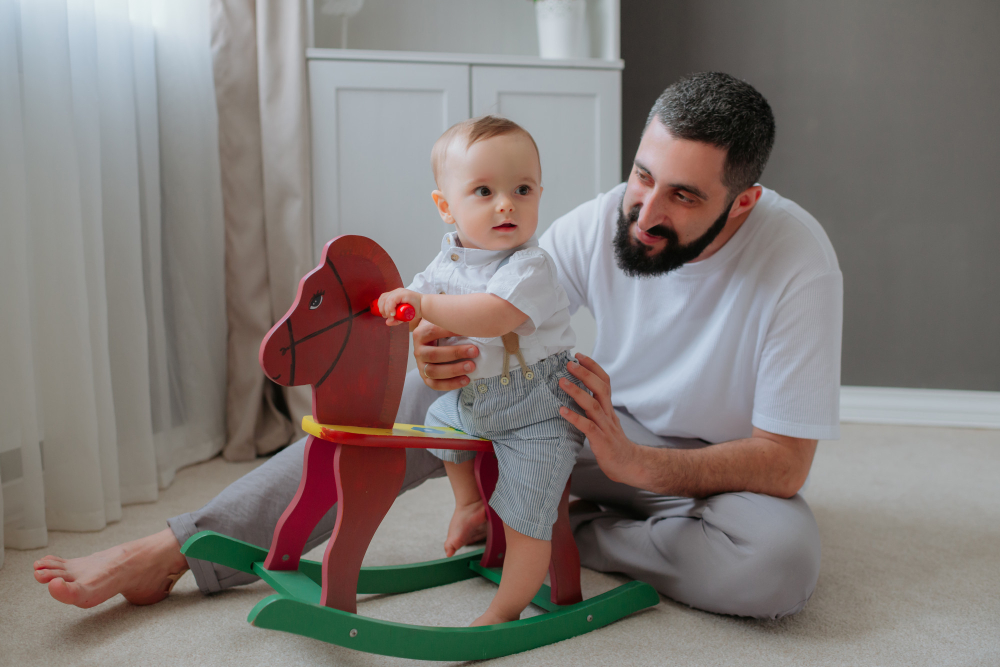
What Are Developmental Milestones?
Developmental milestones are skills or tasks most children can do by a certain age. For example, walking, talking, and playing with others are milestones. These markers help parents and doctors track a child's growth. Because every child is unique, some reach milestones earlier or later than others. However, knowing what to expect can help you support your toddler’s healthy development.
Why Are Developmental Milestones Important in Toddlers?
Developmental milestones in toddlers show how your child is growing and learning. When you watch for these milestones, you can spot strengths and areas needing support. In fact, early tracking helps catch delays sooner. This means your child can get help if needed. Also, knowing what to expect can ease worries and guide your parenting. According to the CDC, early support can make a big difference in a child’s future.
Key Milestones to Watch for by Age
Each age brings new skills. Here are some common milestones for toddlers:
12 Months
- Stands or walks with support
- Responds to simple words like “no”
- Waves goodbye
- Picks up small objects with thumb and finger
18 Months
- Walks alone
- Says several single words
- Points to show what they want
- Shows interest in other children
24 Months
- Uses two-word phrases like “more milk”
- Kicks a ball
- Follows simple instructions
- Shows more independence
36 Months
- Speaks in short sentences
- Plays simple pretend games
- Climbs well
- Shows affection for friends without prompting
Signs of Potential Delays
Sometimes, children may not reach milestones at the expected time. However, a small delay is not always a cause for worry. Still, you should watch for certain signs. For example, if your child:
- Does not walk by 18 months
- Does not speak at least 15 words by 2 years
- Does not make eye contact or respond to their name
- Does not play with other children or show interest in people
- Loses skills they once had
Because early action is key, noticing these signs can help your child get support sooner.
When to Seek Professional Advice
If you notice any signs of delay, talk to your child’s doctor. In addition, trust your instincts as a parent. Even if others say “wait and see,” it is better to ask early. Doctors can check your child’s development and suggest next steps. Early help can improve your child’s skills and confidence.
Tips for Supporting Healthy Development
There are many ways to help your toddler grow and learn. For instance, you can:
- Read and talk to your child every day
- Play simple games like peek-a-boo or building blocks
- Encourage your child to try new things
- Give praise for effort and progress
- Offer healthy foods and plenty of sleep
Because children learn by watching, be a good role model. Also, spend time together and show love and support.
Prevention and Early Intervention
Early intervention means getting help as soon as a delay is noticed. This can include speech therapy, physical therapy, or special learning programs. According to the CDC and WHO, early support can help children catch up and thrive. In many areas, local health centers offer free or low-cost screenings. Therefore, regular check-ups are important. Prevention also means creating a safe, loving home and encouraging learning through play.
In summary, watching for developmental milestones in toddlers helps you support your child’s growth. If you have concerns, consult a pediatrician at
KPS Medicare Multispecialty Hospital for personalized guidance on your child’s development.