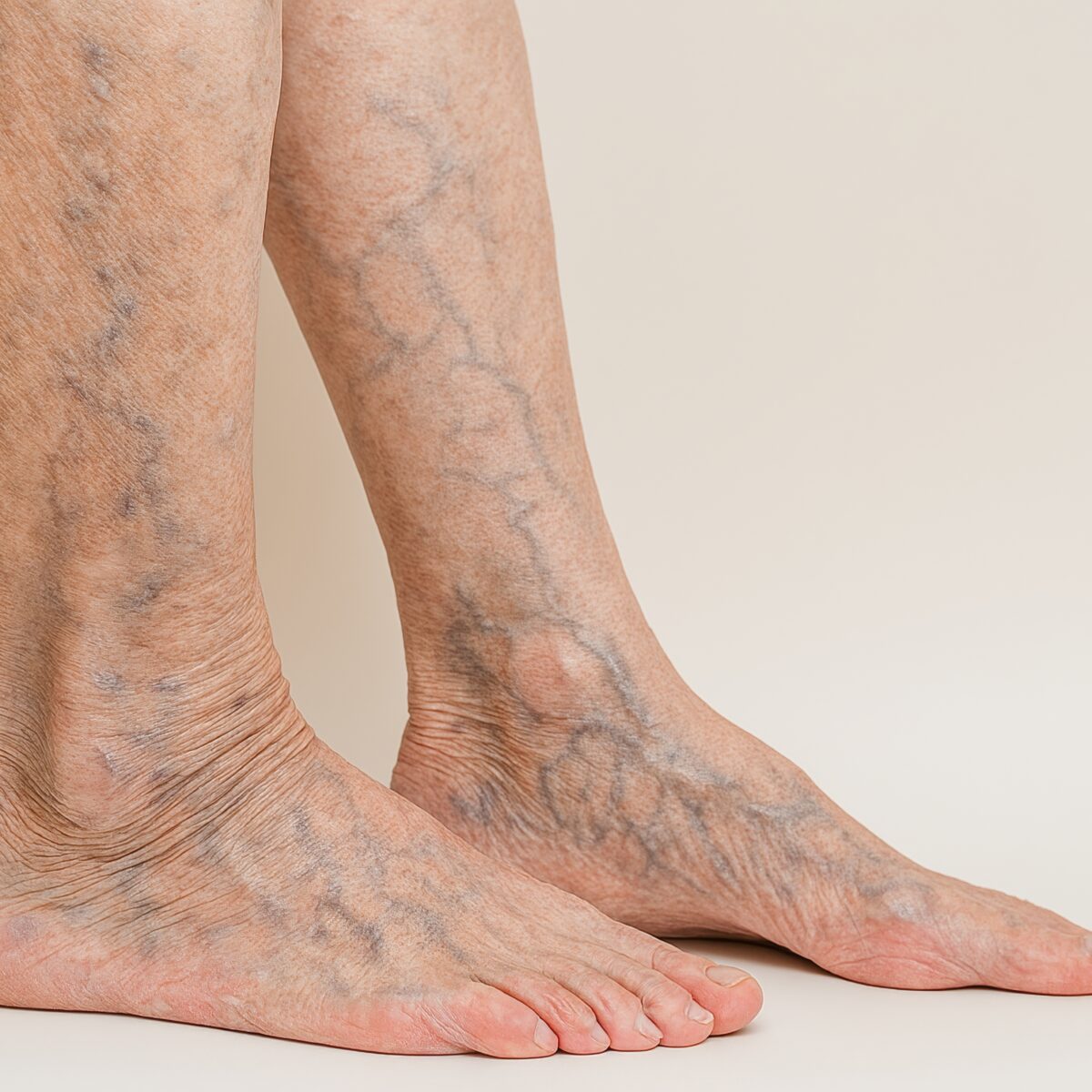
What Are Varicose Veins?
Varicose veins are swollen, twisted veins that often appear on the legs. They are usually blue or purple. These veins can be seen just under the skin. Many people notice them as they get older. However, anyone can develop varicose veins. They happen when the valves in your veins do not work well. As a result, blood pools in the veins, causing them to swell. According to the CDC, varicose veins are common and affect millions worldwide.
Common Symptoms
Varicose veins can cause several symptoms. Sometimes, they do not hurt. But often, people notice discomfort. For example, you may feel:
- Aching or heavy legs, especially after standing
- Swelling in your lower legs or ankles
- Itching around the veins
- Muscle cramps at night
- Skin changes, such as darkening or dryness
In some cases, sores or ulcers can form near the ankles. If you notice these symptoms, it is important to pay attention. Early care can help prevent problems.
Causes and Risk Factors
Varicose veins develop when vein valves become weak or damaged. This makes it hard for blood to flow back to the heart. Instead, blood collects in the veins. Several factors can increase your risk:
- Family history of varicose veins
- Older age
- Being overweight
- Standing or sitting for long periods
- Pregnancy
- Hormonal changes, such as menopause
Additionally, women are more likely to get varicose veins than men. If you have several risk factors, you may want to take extra steps to prevent them.
How Varicose Veins Are Diagnosed
Doctors can often diagnose varicose veins by looking at your legs. However, they may ask about your symptoms and medical history. Sometimes, a simple test called a
duplex ultrasound is used. This test checks blood flow in your veins. It is painless and helps your doctor see if there are any blockages or valve problems. Early diagnosis can help you get the right treatment.
Treatment Options
There are many treatment options for varicose veins. The best choice depends on your symptoms and health. Some common treatments include:
- Compression stockings: These help improve blood flow and reduce swelling.
- Lifestyle changes: Losing weight and exercising can help.
- Sclerotherapy: A doctor injects a solution into the vein to close it.
- Laser therapy: Light is used to close off smaller veins.
- Vein surgery: In severe cases, surgery may be needed to remove or tie off veins.
Most treatments are safe and effective. However, your doctor will help you choose the best option for you.
Lifestyle Tips and Prevention
While you cannot always prevent varicose veins, some steps can lower your risk. For example, you can:
- Exercise regularly to improve blood flow
- Maintain a healthy weight
- Avoid standing or sitting for long periods
- Elevate your legs when resting
- Wear comfortable, loose clothing
In addition, if you live in a hot climate, try to stay cool. Heat can make veins swell more. Simple changes can make a big difference in how your legs feel.
When to See a Doctor
Sometimes, varicose veins are just a cosmetic concern. But you should see a doctor if you have:
- Pain, swelling, or heaviness in your legs
- Skin changes or sores near your ankles
- Bleeding from a vein
- Sudden swelling or redness, which could mean a blood clot
Early treatment can prevent serious problems. Do not wait if you notice new or worsening symptoms.
In summary, varicose veins are common but treatable. Many people find relief with simple steps or medical care.