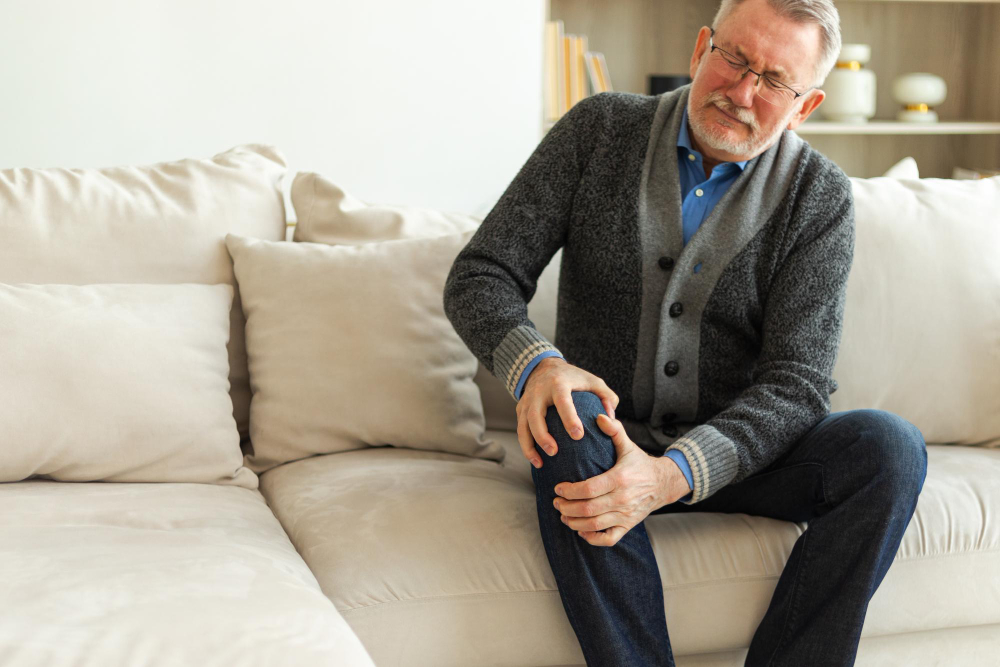
Introduction to Knee Osteoarthritis
Knee osteoarthritis is a common joint problem. It happens when the cartilage in your knee wears down over time. Because of this, your knee may feel stiff or painful. Many people call it "arthritis in the knee." In fact, knee osteoarthritis is one of the main causes of knee pain, especially in older adults. However, younger people can get it too. Knowing about knee osteoarthritis can help you manage your symptoms and stay active.
Symptoms of Knee Osteoarthritis
Often, symptoms of knee osteoarthritis develop slowly. But over time, they can get worse. For example, you may notice:
- Pain in the knee, especially during or after movement
- Stiffness, often worse in the morning or after sitting
- Swelling around the knee joint
- A feeling of warmth in the knee
- Crunching or popping sounds when moving the knee
- Less movement or trouble bending the knee
- Weakness or a feeling that the knee may "give out"
Sometimes, symptoms can come and go. But as the condition progresses, they may become more constant.
Causes and Risk Factors
Knee osteoarthritis happens when the smooth cartilage that cushions your knee wears away. As a result, bones may rub together, causing pain and swelling. There are several reasons why this can happen. For instance, age is a big factor. But other things can raise your risk, such as:
- Being overweight or obese
- Previous knee injuries
- Family history of osteoarthritis
- Repetitive stress on the knee from work or sports
- Weak muscles around the knee
- Certain medical conditions, like rheumatoid arthritis
Even though you cannot control some risk factors, you can take steps to lower your chances of knee arthritis.
Diagnosis Methods
Doctors use several ways to diagnose knee osteoarthritis. First, they will ask about your symptoms and medical history. Next, they will examine your knee for swelling, pain, or movement problems. Often, your doctor may order tests, such as:
- X-rays: These show changes in the bones and joint space.
- MRI scans: These can show damage to cartilage and other tissues.
- Blood tests: These help rule out other types of arthritis.
- Joint fluid tests: These check for infection or gout.
With these tools, your doctor can confirm if you have knee osteoarthritis and suggest the best treatment.
Treatment Options
There are many ways to treat knee osteoarthritis. While there is no cure, treatments can help reduce pain and improve movement. For example, common options include:
- Medications: Pain relievers like acetaminophen or nonsteroidal anti-inflammatory drugs (NSAIDs)
- Physical therapy: Exercises to strengthen muscles and improve flexibility
- Weight management: Losing extra weight can ease pressure on your knees
- Support devices: Braces or shoe inserts can help support your knee
- Injections: Corticosteroid or hyaluronic acid shots may reduce pain
- Surgery: In severe cases, knee replacement or other procedures may be needed
Because each person is different, your doctor will help you choose the right treatment for your needs.
Lifestyle Tips and Self-Care
Managing knee osteoarthritis at home is important. Not only can self-care help reduce pain, but it can also improve your quality of life. Here are some helpful tips:
- Stay active with gentle exercises like walking, swimming, or cycling
- Use heat or cold packs to ease pain and swelling
- Maintain a healthy weight to reduce stress on your knees
- Wear comfortable, supportive shoes
- Take breaks and avoid activities that strain your knees
- Practice stretching to keep your joints flexible
Additionally, joining a support group or talking with others can help you cope with knee arthritis.
Prevention Strategies
Although you cannot always prevent knee osteoarthritis, you can lower your risk. For instance, you can:
- Keep a healthy weight
- Exercise regularly to strengthen your muscles
- Protect your knees from injuries by using proper gear during sports
- Avoid repetitive knee movements when possible
- Eat a balanced diet rich in vitamins and minerals
By making these changes, you can help protect your knees and stay active longer.
When to See a Doctor
Sometimes, knee pain can be managed at home. However, you should see a doctor if:
- Your knee pain is severe or lasts more than a few weeks
- You have trouble walking or moving your knee
- Your knee is swollen, red, or warm to the touch
- You notice a sudden change in your knee shape
- Home treatments do not help
Early treatment can help prevent further damage and improve your quality of life.
Remember: Consult a healthcare professional at
KPS Medicare Multi-Specialty Hospital for personalized advice on knee osteoarthritis. They can help you find the best ways to manage your knee pain and stay active.